
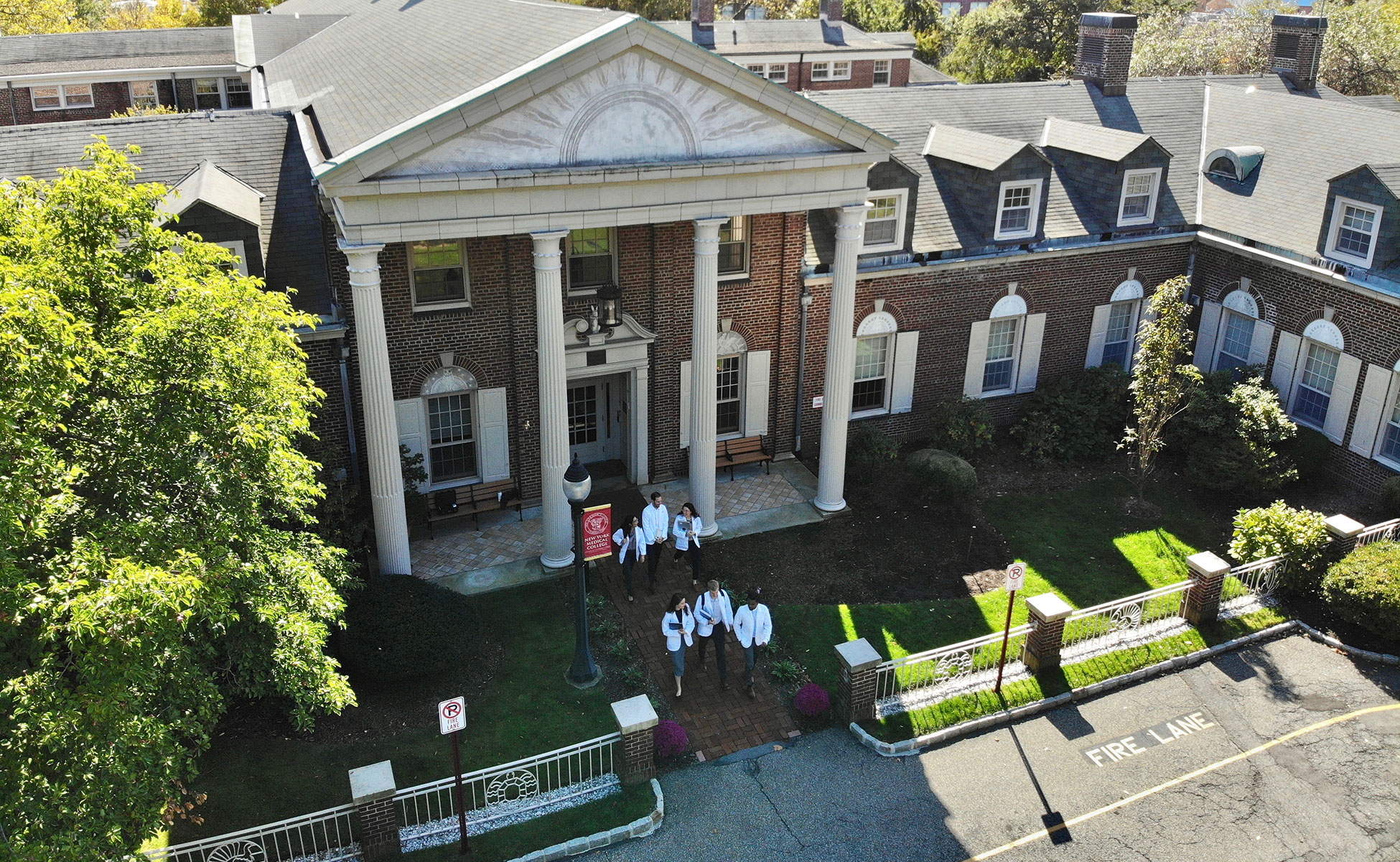
New York Medical College trains graduate students to become world-class physicians, research scientists and health professionals. Our student body comes from all over the country (and the world) to develop their expertise in health care and drive new research discoveries.
Our mission is to educate and nurture future health professionals and researchers. These goals and our core values guide our strong leadership as they move us forward to educate the next generation of health care providers and leaders.
Established in 1860, we have a long history of training physicians, researchers and clinical therapists. Even as we look forward, we stand firm to the values and vision that has set us apart and continues to distinguish us.
Quick Facts
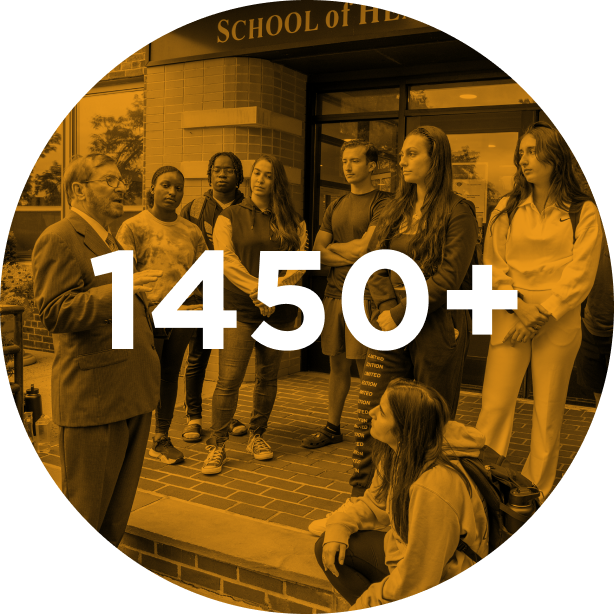
1,450+ students on campus and online
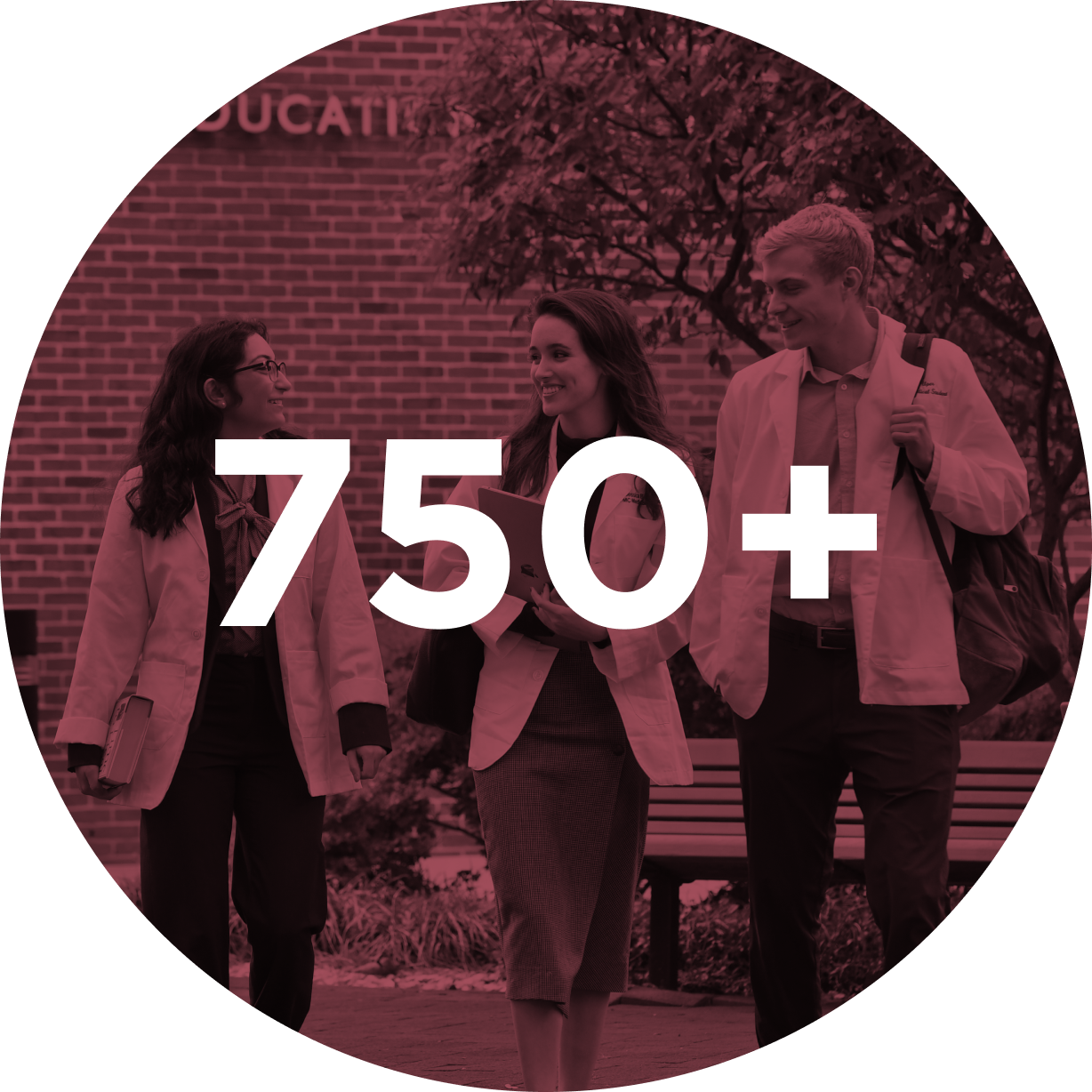
750+ residents and fellows
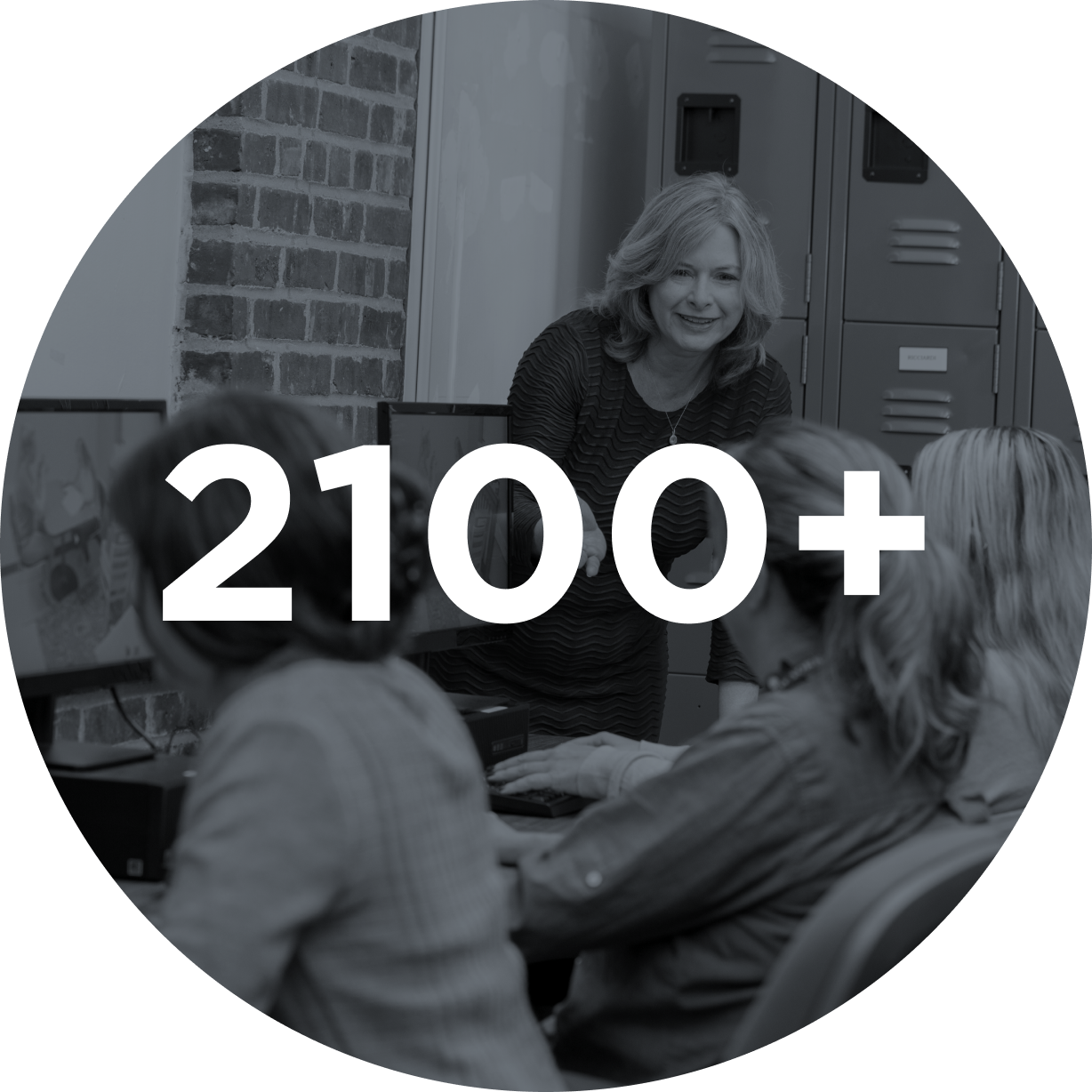
2100+ faculty members
54 acre campus
Our Strategic Plan Charts Our Path Forward
The Strategic Plan 2021-2026 charts our path in a dynamic health care and education landscape, ensuring growth and success. This forward-thinking plan will guide NYMC toward embracing new challenges and exciting opportunities and remaining true to excellence, integrity, and service. Our campus master plan dovetails with our strategic plan to support our growth and values.
Vast Network of Affiliates
NYMC boasts an extensive network of more than 700 affiliated practice sites, which includes urban medical centers, suburban community hospitals and highly advanced regional tertiary care facilities, providing students with a comprehensive range of resources and educational opportunities.
Your Future Health Care Team
New York Medical College boasts three distinctive schools – School of Medicine, the School of Health Sciences and Practice, and the Graduate School of Biomedical Sciences – allowing us to offer degrees in nearly every aspect of health care. Our campus is also home to Touro College of Dental Medicine and the nursing program at Touro's School of Health Sciences. Visit our Academics page to explore our programs and find the one that’s right for you.
Location
New York Medical College is situated on 54 lush acres in picturesque Valhalla, New York, and is part of the larger 565-acre Grasslands Reservation that serves as home to the Westchester Medical Center and county offices. You not only have access to clinical training opportunities right in our own backyard, but with Midtown Manhattan just a quick 30-minute train ride away, you also have access to some of the most prestigious medical institutions in New York City and the tri-state region. Our location allows our students to treat and work with culturally and economically diverse populations, and pursue a wide range of career, medical residency and internship opportunities.
Focused on Compassion
An NYMC education puts an emphasis on humanistic and compassionate care. We train students to not only be skilled health professionals and competent leaders, but also to treat each patient with respect and an open heart. We teach our students to focus on each patient as an individual and see the whole person, rather than treating an illness or ailment. We know that competence and compassion go hand in hand and this balanced approach will always be part of our education.
Renowned for Research and Innovation
NYMC is a leader in innovative medical research. More than half of the College's research is funded by the National Institutes of Health (NIH). We have ongoing research and sponsored programs in the areas of cardiovascular disease, cancer, neuroscience, and vaccine development, among others. At BioInc@NYMC, our health tech and biotechnology incubator, biopharma companies explore new product and technology development.
NYMC houses a state-of-the-art 21,000 square-foot Clinical Skills and Simulation Center, where students receive hands-on training in a replicated clinical setting with standardized patients and mannequins to hone clinical skills in a safe and controlled environment.
BioInc@NYMC, the only fully equipped biotechnology incubator on a health sciences college campus, doubled in size offering additional square footage of shared and collaborative space to support biotech/medtech startups advancing health innovation in the Hudson Valley.
NYMC Values and Jewish Tradition
NYMC has stood against antisemitism and bigotry in health sciences education since its founding in 1860. The College accepted women into medical school by 1863 and its first African-American graduate was valedictorian of the Class of 1870. In 2011, NYMC became part of the Touro University system and continues Dr. Bernard Lander’s legacy of tolerance and dignity. Our campus accommodates many of the needs of Jewish life - kosher food, an eruv, a davening space for shacharit, mincha and ma'ariv, an academic calendar that is cognizant of Sabbath observance and the Jewish holidays, and periodic shiurim. We also offer a shomer shabbos residency program. The College is proud to continue its tradition of acceptance and inclusion, offering a safe space for a diverse student body, faculty, and staff.
World-Class Resources
Our Centers and Institutes, including the Center for Disaster Medicine, are resources that either explore medical and scientific research with direct clinical application or conduct real-world training for population safety. Our Clinical Skills and Simulation Center gives students access to interactive training programs and realistic examination rooms to prepare for real-life clinical situations. Finally, our core facilities, including the Behavioral Phenotyping Core Facility and Flow Cytometry Core Facility, offer state-of-the-art medical technology for advanced research studies.
5 schools on the NYMC campus
150k square feet of dedicated research space

100+ databases in the Phillip Capozzi, M.D., Library

25k journal titles in the Phillip Capozzi, M.D., Library
